 BarevTrip

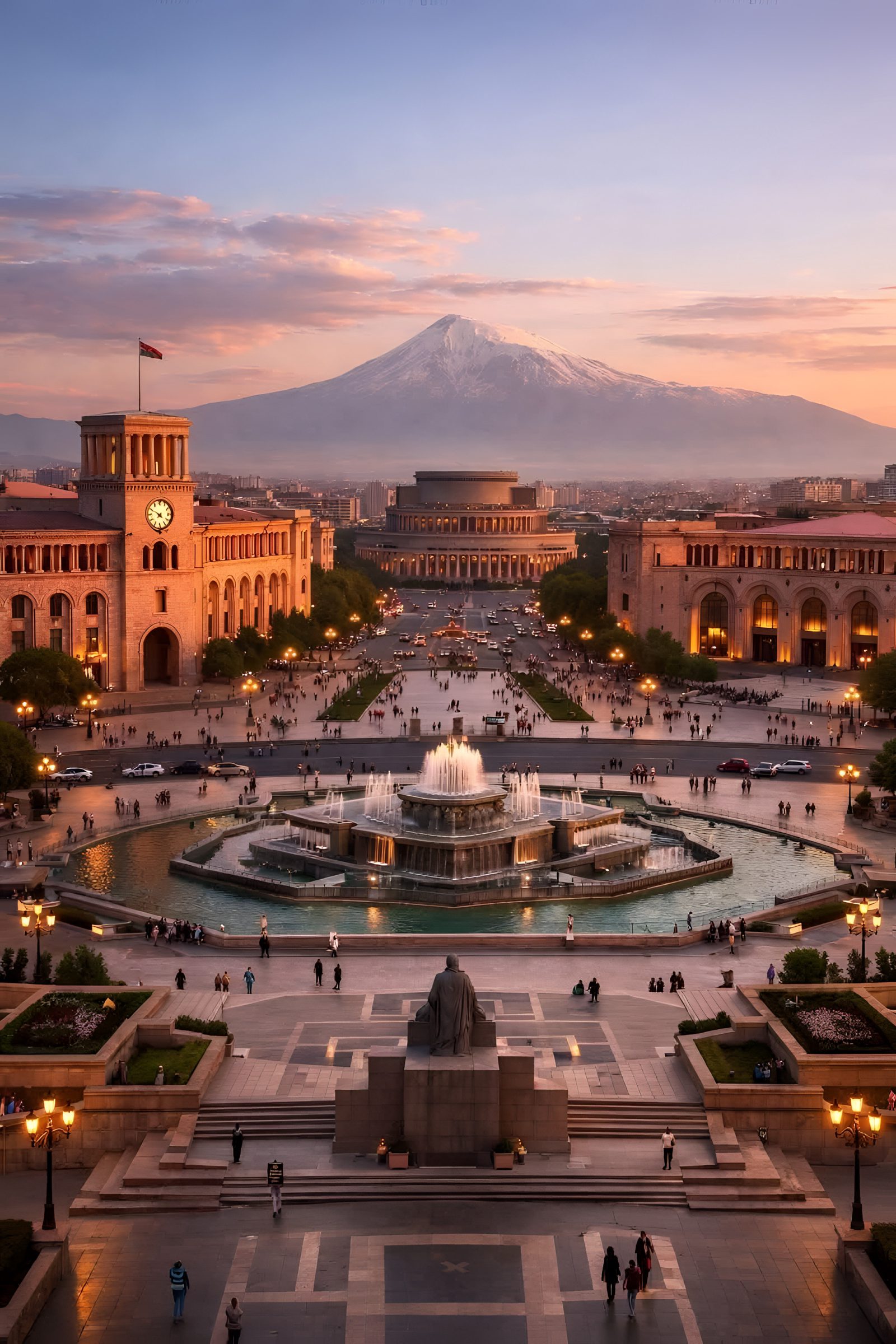
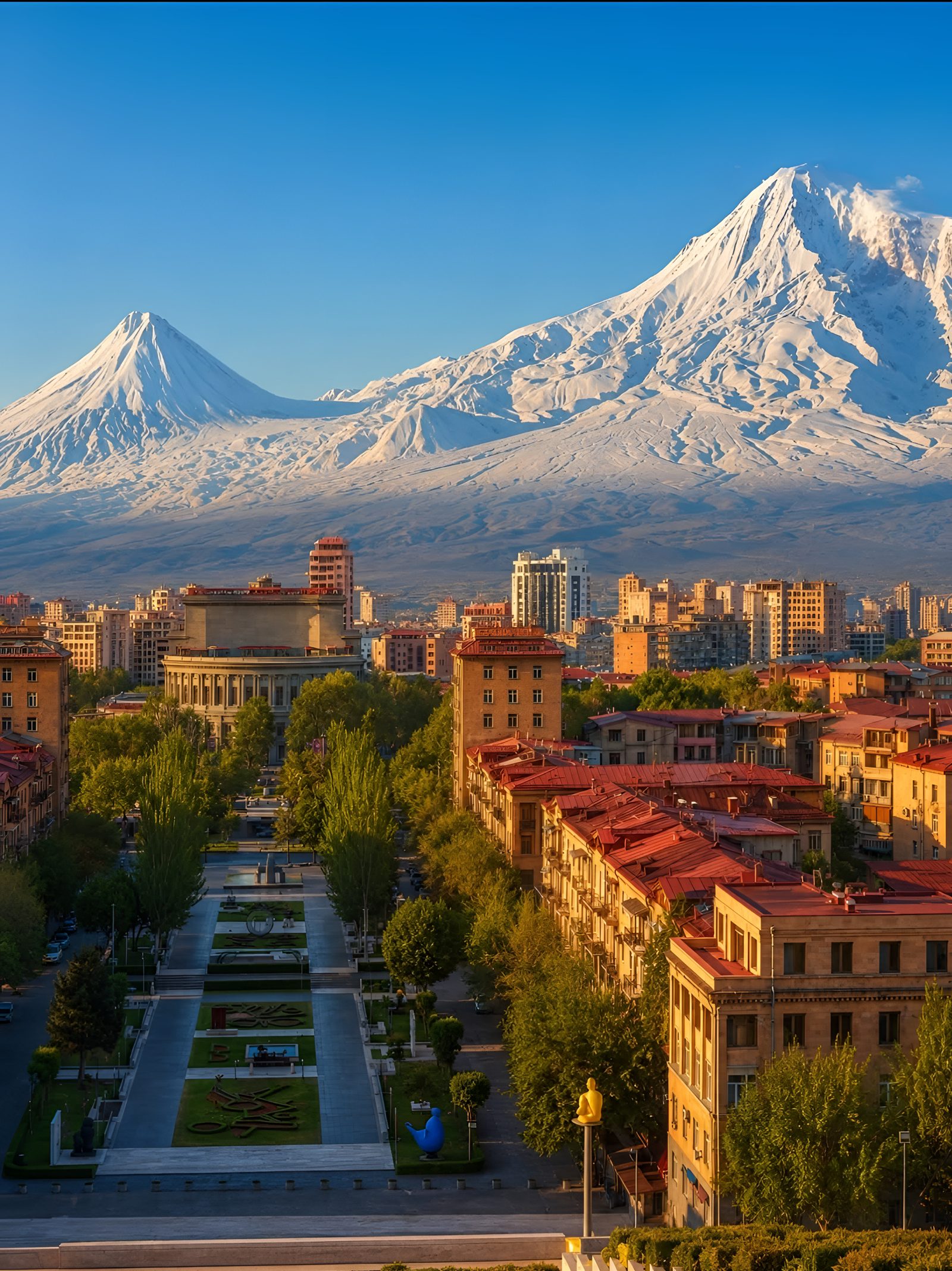
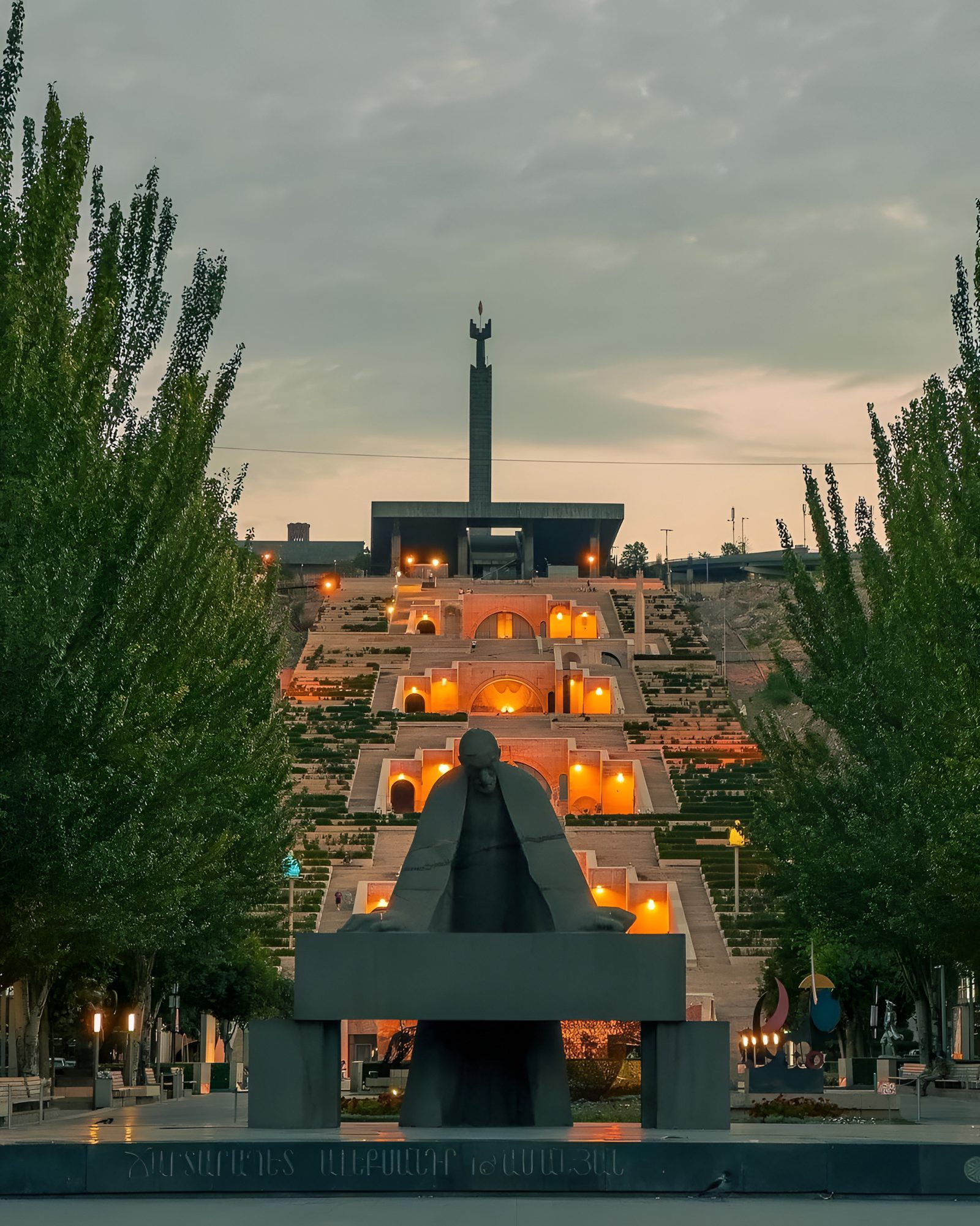
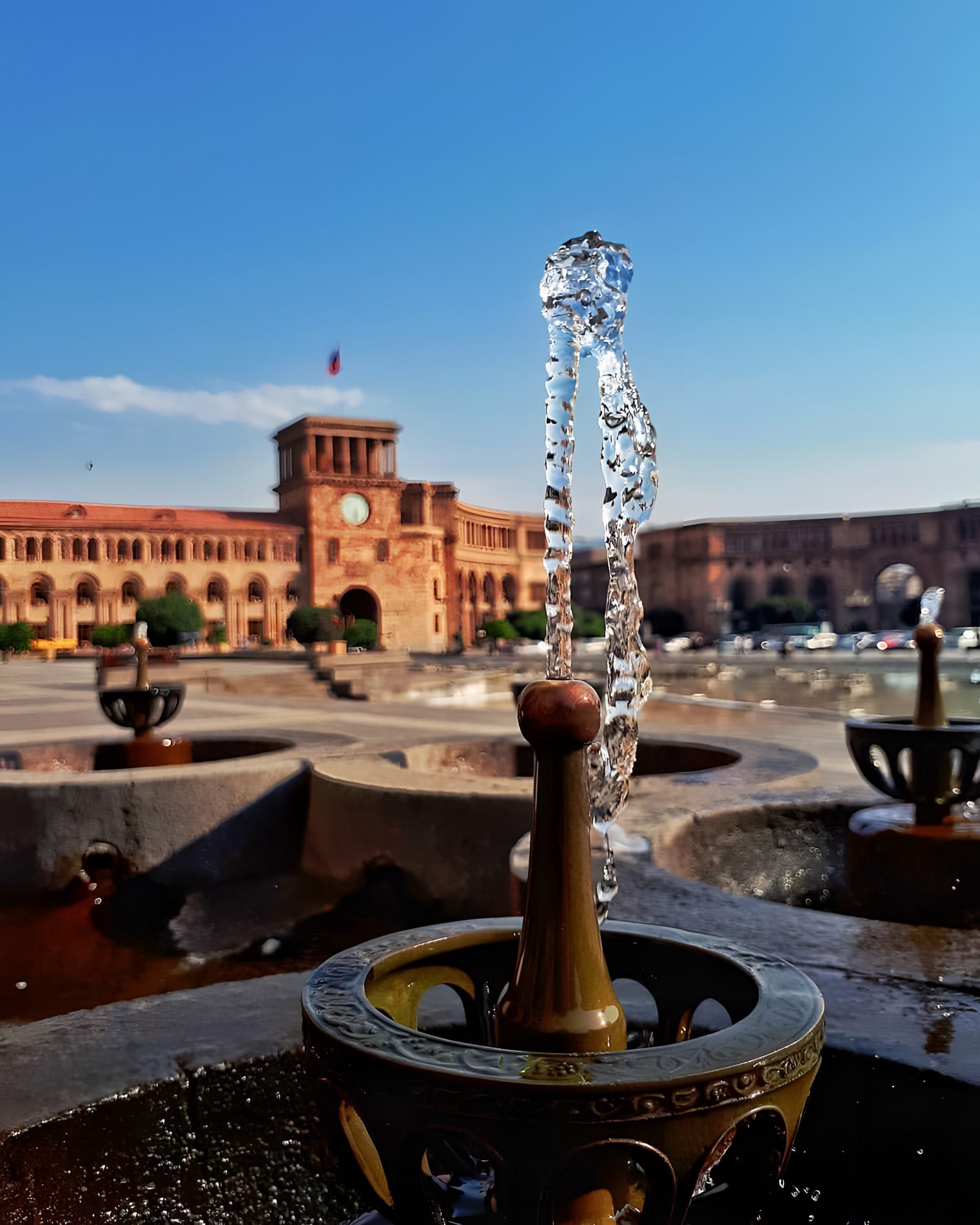
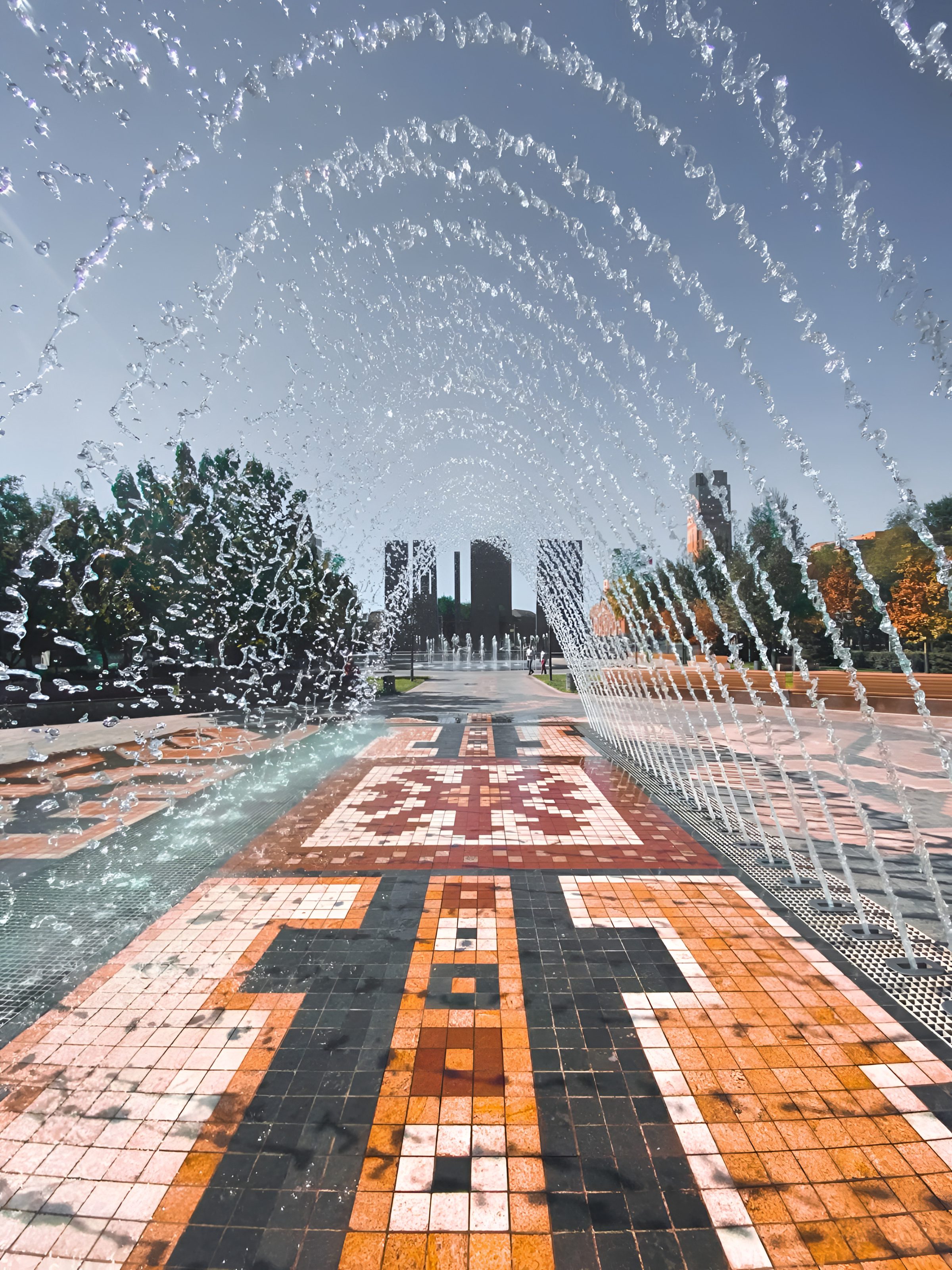


Yerevan, Erebuni, Tsitsernakaberd & Matenadaran
6 h · 34 km · hotel to hotel · Around Yerevan| Sedanup to 3 with 3 suitcases or 4 with 2 | 20,000 AMD |
|---|---|
| Minivanup to 7 | 27,000 AMD |
Tour request
Step 1 of 2Included, not included, extrasEntrance tickets are separate
- Car with driver for the whole route, hotel to hotel
- Stops as per programme, waiting at each
- Free child seat
Free cancellation and one free reschedule up to 24 hours before pickup, Yerevan time. No deposit: nothing to pay before confirmation.
Contacts next; payment only after confirmation
Stops in order
6 h total- Hotel in YerevanPick-up at your address at the chosen time09:00
- Yerevan highlights drive60 min
- © BarevTrip
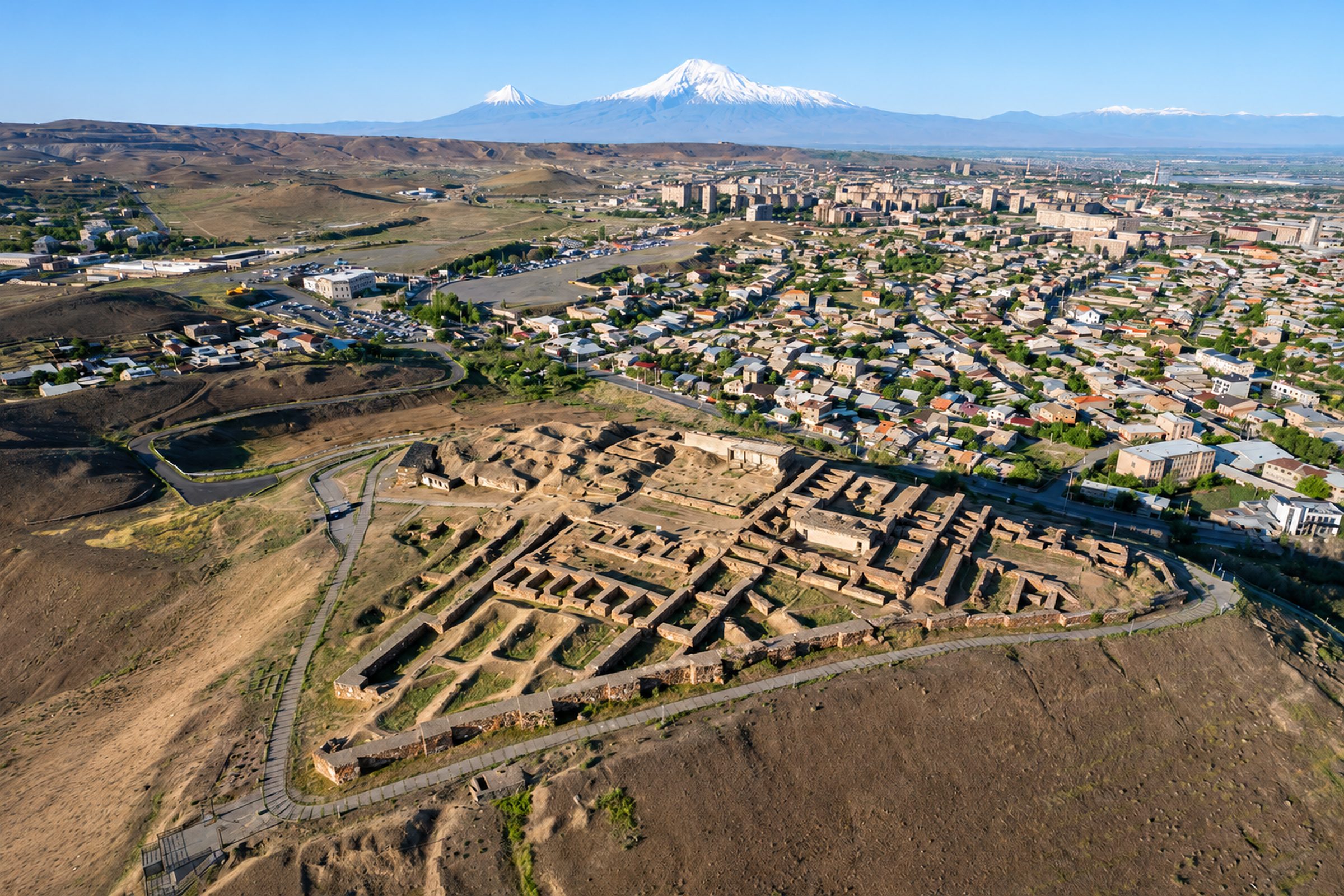
The Urartian fortress of Erebuni stands on Arin Berd hill in south-eastern Yerevan. According to a cuneiform inscription, it was founded by King Argishti I, traditionally in 782 BC. At the foot of the hill, a museum displays finds from the excavations and the stone bearing the foundation inscription. A staircase leads from the museum up to the citadel, with the remains of a palace, temples and walls of basalt and tuff. Many of the walls on top were rebuilt in 1968 and in the 1980s, and on a clear day Mount Ararat is visible from here.
Ticket: pay separately on site
The Tsitsernakaberd Memorial to the victims of the 1915 Armenian Genocide opened in 1967 on a hill above the Hrazdan gorge in Yerevan. Twelve inclined basalt slabs close in a ring over the eternal flame, reached by steps leading down. Beside it rises a stele split in two, and a 100-metre wall of remembrance bearing the names of towns and villages runs along the alley. The Armenian Genocide Museum-Institute stands on the same grounds, and on a clear day Mount Ararat can be seen from its flat roof.
Free entry
The Armenian Genocide Museum-Institute stands on Tsitsernakaberd Hill in Yerevan, next to the memorial opened in 1967. The 1995 building is set into the hillside, and its flat roof serves as a viewing platform. In the twelve halls of the exhibition, photographs, documents and eyewitness accounts tell the story of the Armenian Genocide, with captions in Armenian, English and Russian. A couple of hundred metres from the entrance stand the Memorial Wall, a ring of twelve inclined basalt slabs around the eternal flame, and a stele split in two.
Free entry
The Matenadaran is the Mesrop Mashtots Institute of Ancient Manuscripts and its museum, at the top of Mashtots Avenue in Yerevan. It holds about 20,000 manuscripts in Armenian and other languages, and the collection is on UNESCO's Memory of the World Register. The galleries show illuminated Gospels, maps, and historical, medical and philosophical works. In front of the basalt building from the 1950s stand a monument to Mashtots with his pupil Koryun and six statues of medieval scholars and poets.
Ticket: pay separately on site
- Hotel in YerevanReturn to the same or another address in the city≈ 15:00


Driving between stops takes about 55 min. You can change the order by telling the driver.
What’s included, what’s not
- Included
- Car with a driver for the whole route, hotel to hotel
- Stops as planned and waiting at each one
- Free child seat
- Fuel, parking, water
- Not included
- Entrance tickets: paid on the spot
- Lunch: per the café menu
- Qualified guide: optional, + 25,000 AMD
- Tips at your discretion
One surcharge: an unplanned stop or a change of route.
 5.0
 5.0


