 BarevTrip


Gyumri & Marmashen Monastery
9 h · 260 km · hotel to hotel · North: Sevan, Tavush, Lori, Shirak| Sedanup to 3 with 3 suitcases or 4 with 2 | 48,000 AMD |
|---|---|
| Minivanup to 7 | 67,000 AMD |
Tour request
Step 1 of 2Included, not included, extrasEntrance tickets are separate
- Car with driver for the whole route, hotel to hotel
- Stops as per programme, waiting at each
- Free child seat
Free cancellation and one free reschedule up to 24 hours before pickup, Yerevan time. No deposit: nothing to pay before confirmation.
Contacts next; payment only after confirmation
Stops in order
9 h total- Hotel in YerevanPick-up at your address at the chosen time09:00
- © BarevTrip
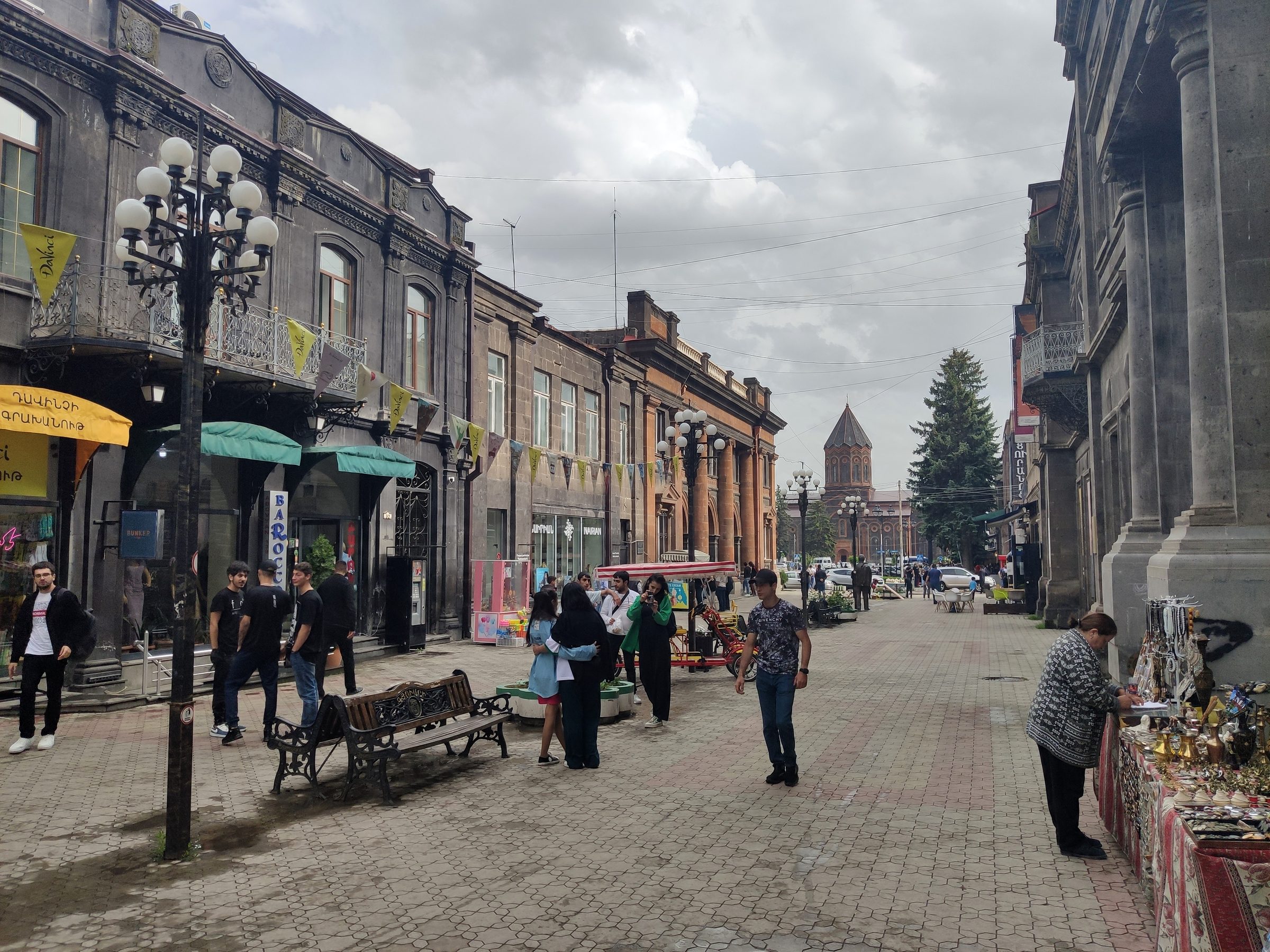
Kumayri, the historic centre of Gyumri, has been protected as a museum-reserve since 1980. Its streets follow a rectangular grid, and the 19th and early 20th century houses were built by local stonemasons from dark and red tuff, many with wide arched gateways leading into courtyards. A walk takes in Vardanants Square with the Amenaprkich and Yot Verk churches, cobbled Rustaveli Street with its merchants' houses, and the Dzitoghtsyan House of 1872, now a museum of urban life.
The Black Fortress stands on a hill at the southwestern edge of Gyumri. It is a round fort of dark stone, the southern outwork of the Alexandropol fortress that the Russian Empire built in the 19th century. From outside you see an unbroken ring of walls lined with loopholes. Restoration in 2013–2016 turned the interior into a concert venue, but it is not always open to visitors, so plan on walking around the walls and enjoying the view over the city and the Shirak plain. The Mother Armenia monument is close by.
Free entry
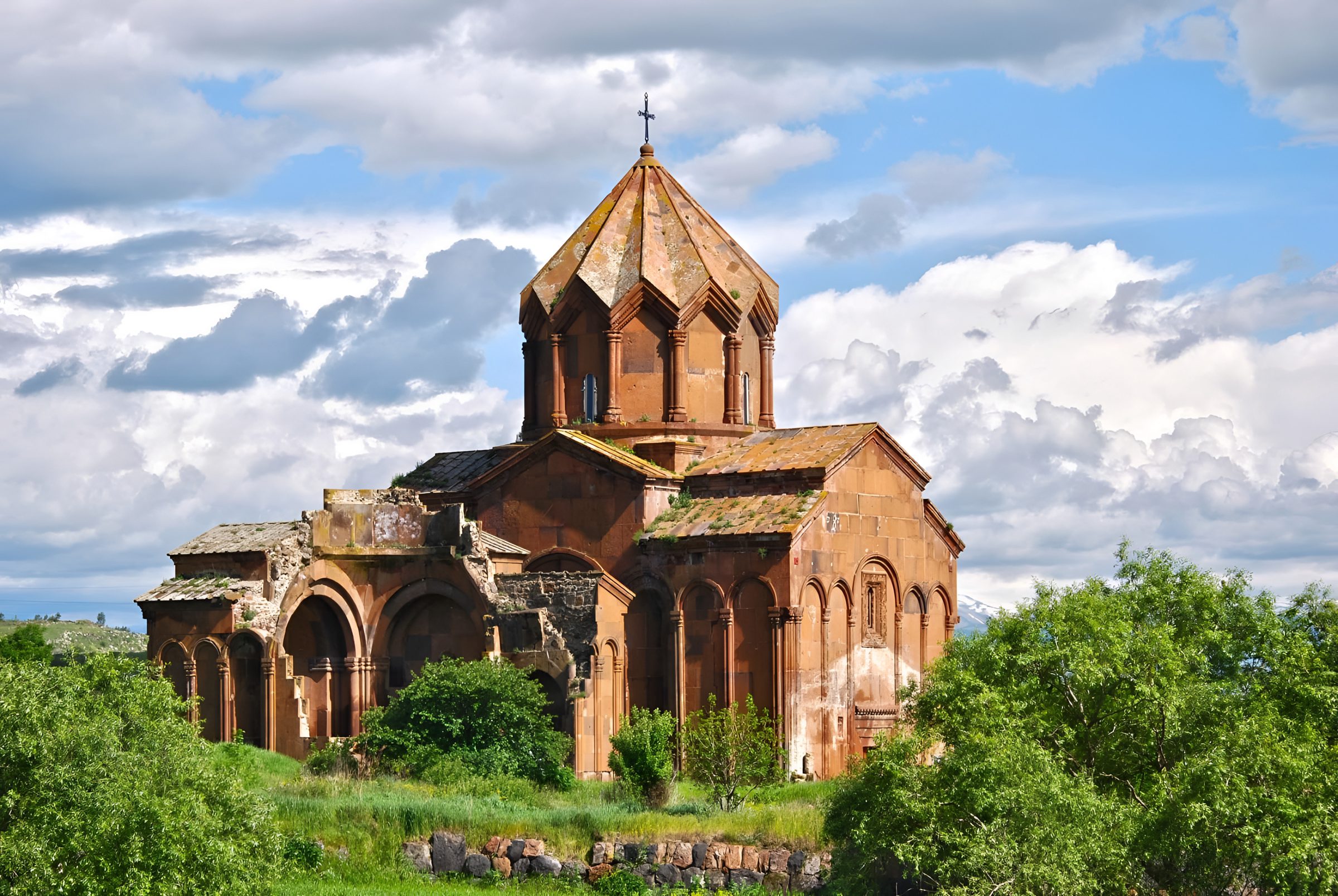
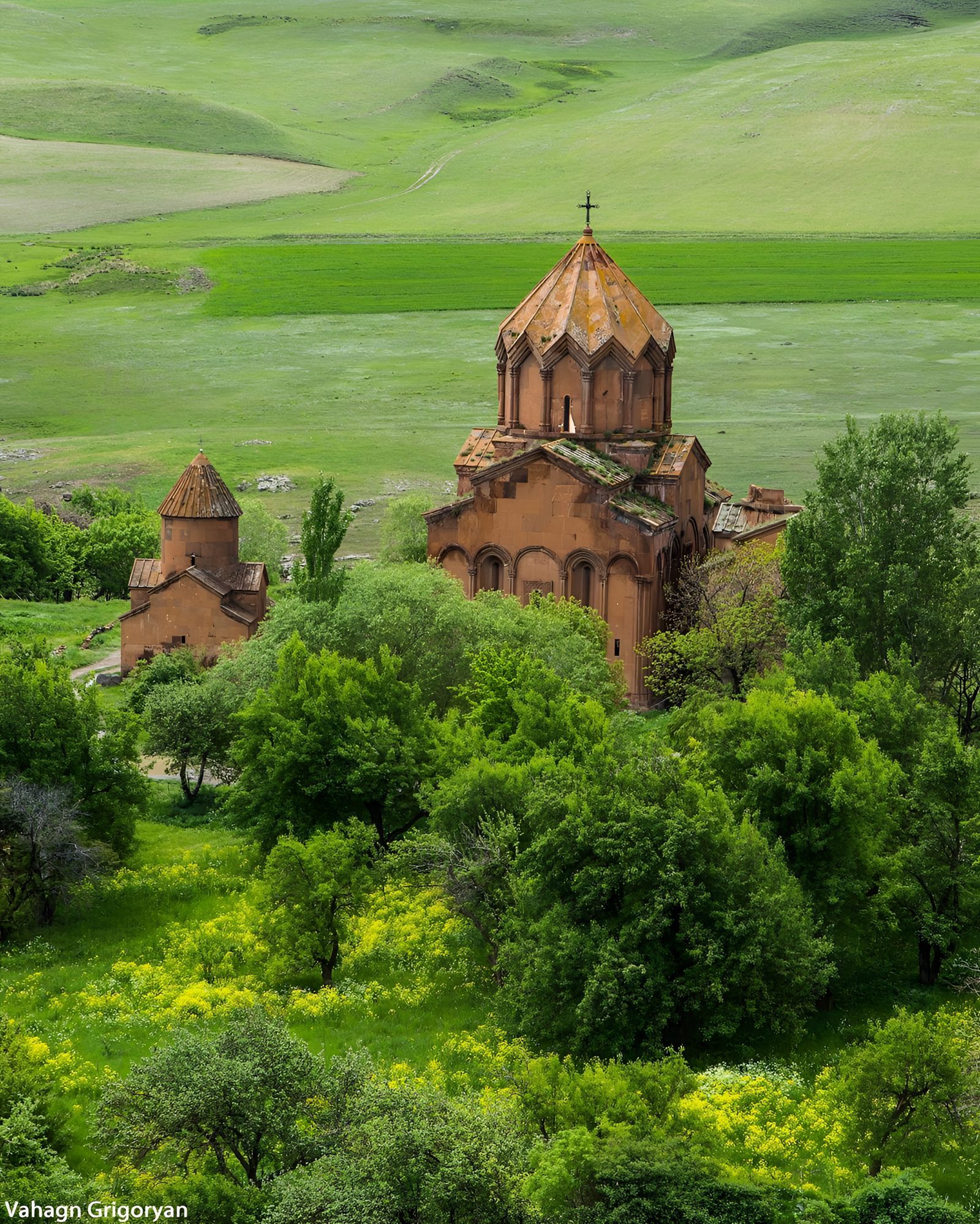
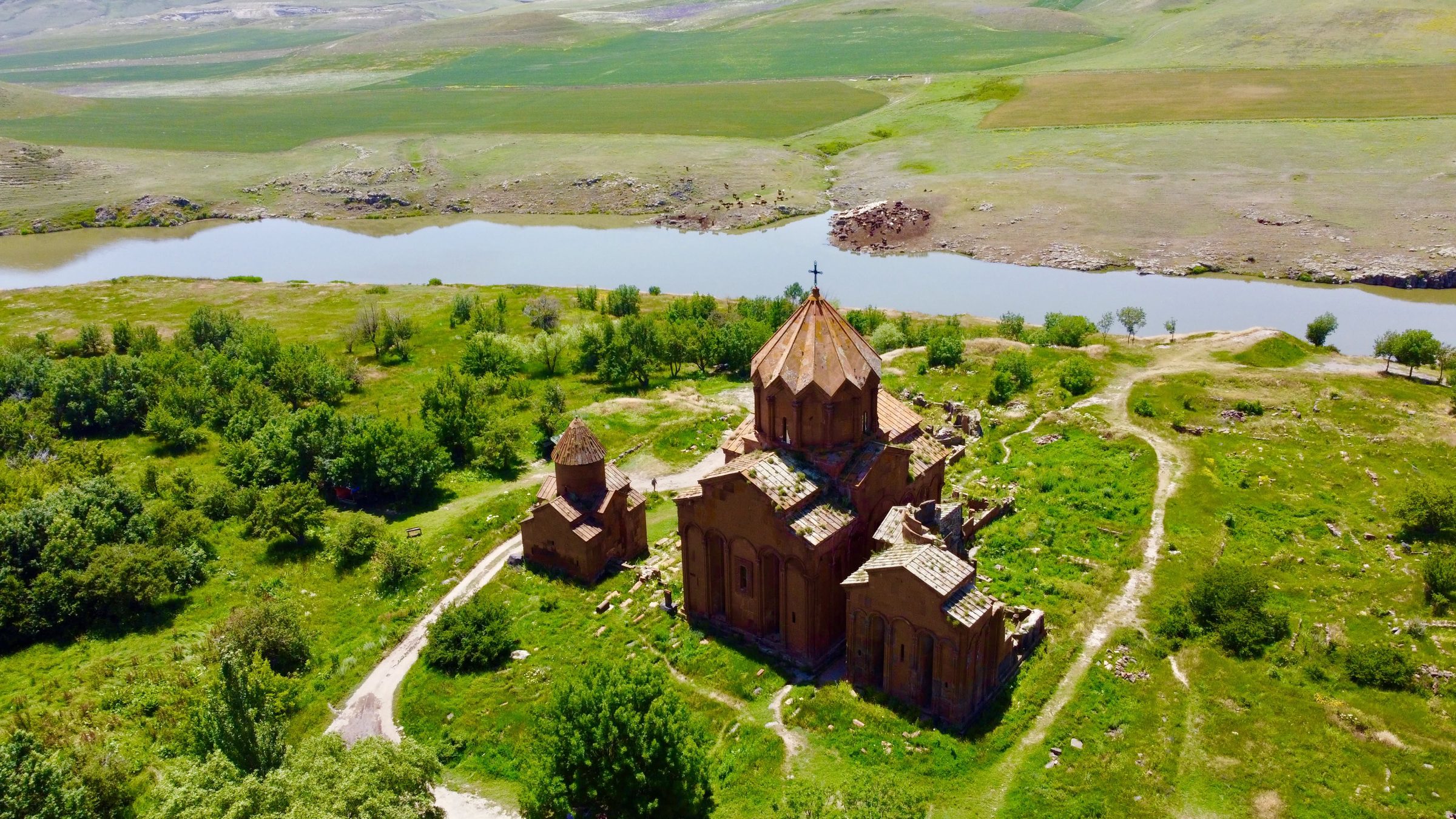
Marmashen Monastery, dating from the 10th and 11th centuries, stands on a terrace above the Akhuryan River, about 15 km from Gyumri. Its main church, the Katoghike, built of orange tuff, was raised by Prince Vahram Pahlavuni, and the inscription on its south wall gives the year 1029. Blind arcades run around the facades, and a twelve-sided drum carries an umbrella-shaped dome. A small south church stands nearby, surrounded by the ruins of three more churches, a burial narthex and a cemetery with khachkars.
Free entry
- Hotel in YerevanReturn to the same or another address in the city≈ 18:00


Driving between stops takes about 6 h. You can change the order by telling the driver.
What’s included, what’s not
- Included
- Car with a driver for the whole route, hotel to hotel
- Stops as planned and waiting at each one
- Free child seat
- Fuel, parking, water
- Not included
- Entrance tickets: paid on the spot
- Lunch: per the café menu
- Qualified guide: optional, + 40,000 AMD
- Tips at your discretion
One surcharge: an unplanned stop or a change of route.
 5.0
 5.0

