BarevTrip


Garni, Geghard, Lavash & Lake Sevan
9 h · 230 km · hotel to hotel · Around Yerevan| Sedanup to 3 with 3 suitcases or 4 with 2 | 54,000 AMD |
|---|---|
| Minivanup to 7 | 72,000 AMD |
Tour request
Step 1 of 2Included, not included, extrasEntrance tickets are separate
- Car with driver for the whole route, hotel to hotel
- Stops as per programme, waiting at each
- Free child seat
Free cancellation and one free reschedule up to 24 hours before pickup, Yerevan time. No deposit: nothing to pay before confirmation.
Contacts next; payment only after confirmation
Stops in order
9 h total- Hotel in YerevanPick-up at your address at the chosen time09:00
- © BarevTrip
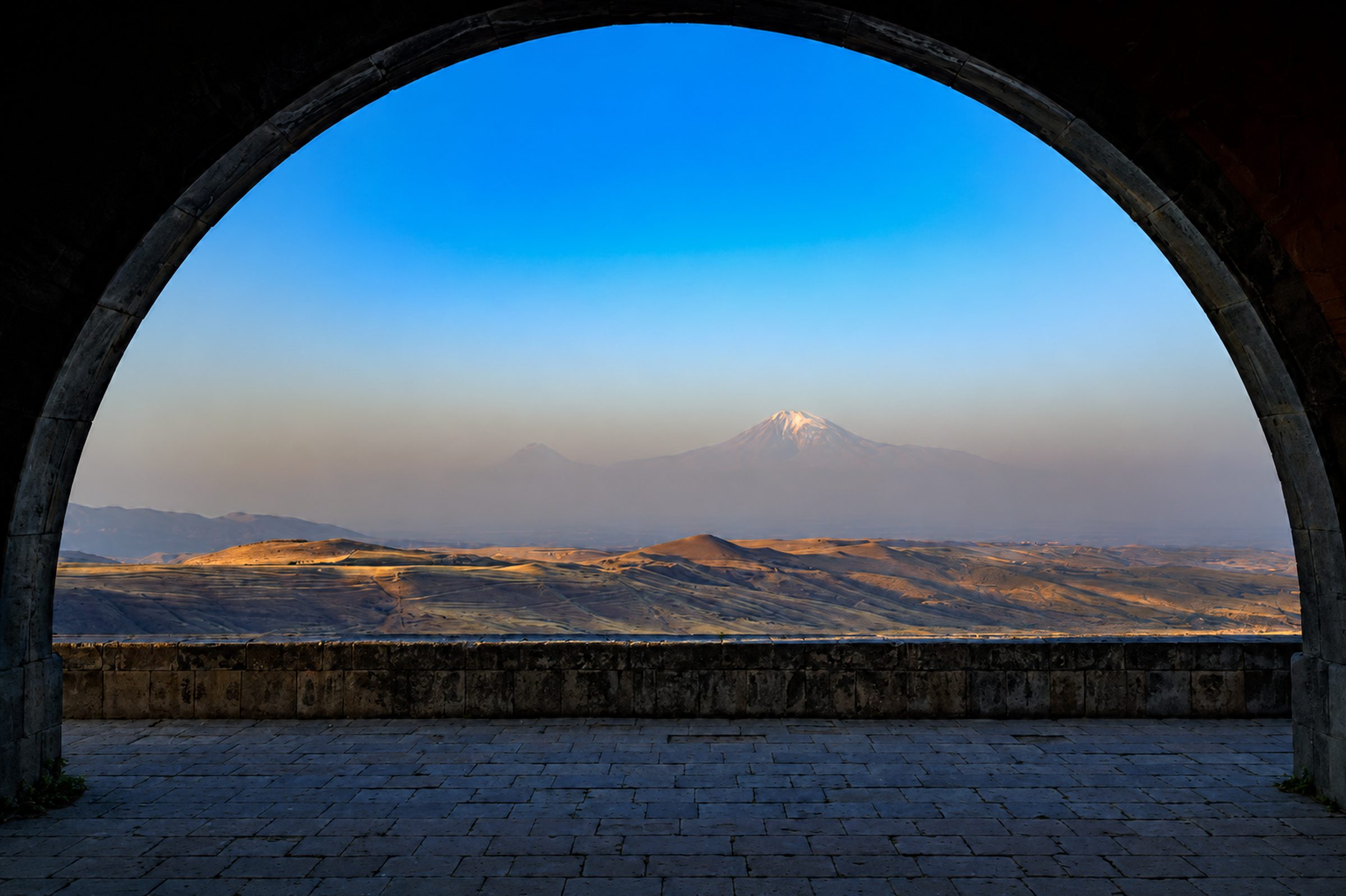
Charents Arch, a stone pavilion open at both ends, stands on a hill by the road from Yerevan to Garni, near the village of Voghjaberd. Architect Rafael Israelyan built it in 1957 so that the opening, lined inside with orange tuff, frames Mount Ararat above the Ararat Plain. Lines by the poet Yeghishe Charents about Masis, the Armenian name for Ararat, are carved along the arch, and the monument takes its name from them. Flights of steps lead up from the parking area, and the mountain is visible only in clear weather.
Garni is an ancient temple on a promontory above the Azat River gorge, traditionally dated to the 1st century AD. Twenty-four Ionic columns of grey basalt stand on a podium reached by nine high steps. An earthquake brought the building down in 1679, and in 1969–1975 it was reassembled from the surviving blocks. Nearby are the ruins of a 3rd-century bathhouse with a mosaic floor, the foundations of a 7th-century church and viewpoints over the gorge.
Ticket: pay separately on site
Known as the Symphony of Stones, this rock wall of basalt columns stands in the Azat gorge below the village of Garni, about a kilometre from the ancient temple. The columns formed some 128,000 years ago as a thick lava flow slowly cooled. At the bottom, five- and six-sided columns rise straight like organ pipes; higher up they fan out and overhang the path, their ends resembling a honeycomb. A paved walkway of about 600 metres runs along the cliff, with the river and a medieval stone bridge nearby.
Ticket: pay separately on site
Geghard, a working monastery of the Armenian Apostolic Church, stands at the head of the Azat River gorge beneath sheer cliffs. Its main church, the Katoghike, was built in 1215, while the two churches and burial chambers adjoining it were carved straight into the rock in the 13th century and are lit through openings in their vaults. A spring flows in one of the rock-cut churches, and the tomb of the Proshyan princes bears their family coat of arms in relief. Together with the upper Azat Valley, the monastery is a UNESCO World Heritage Site.
Free entry
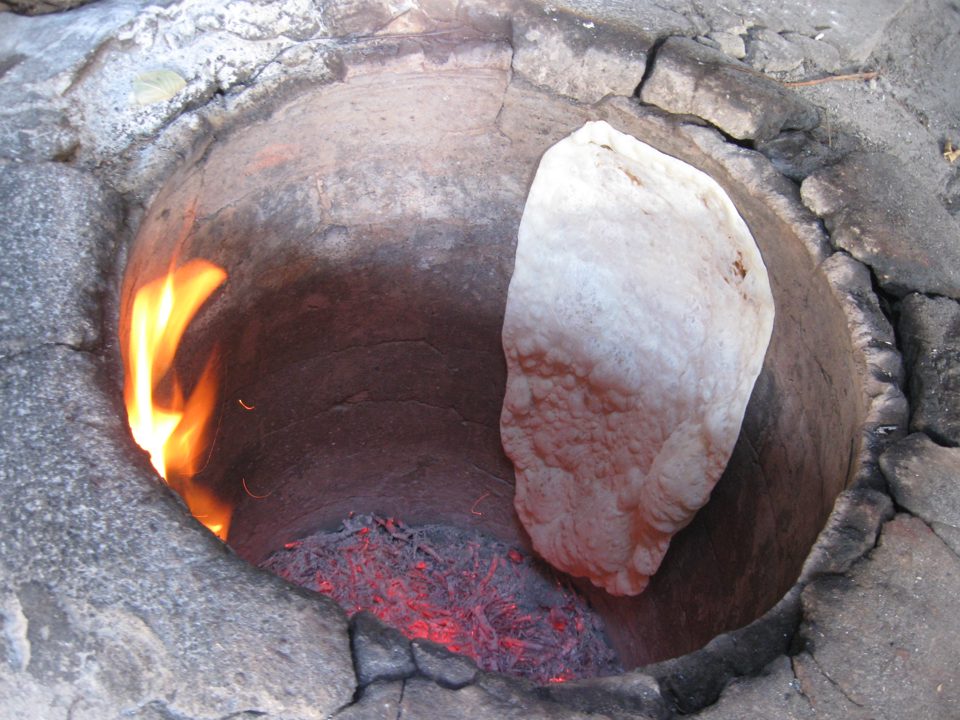
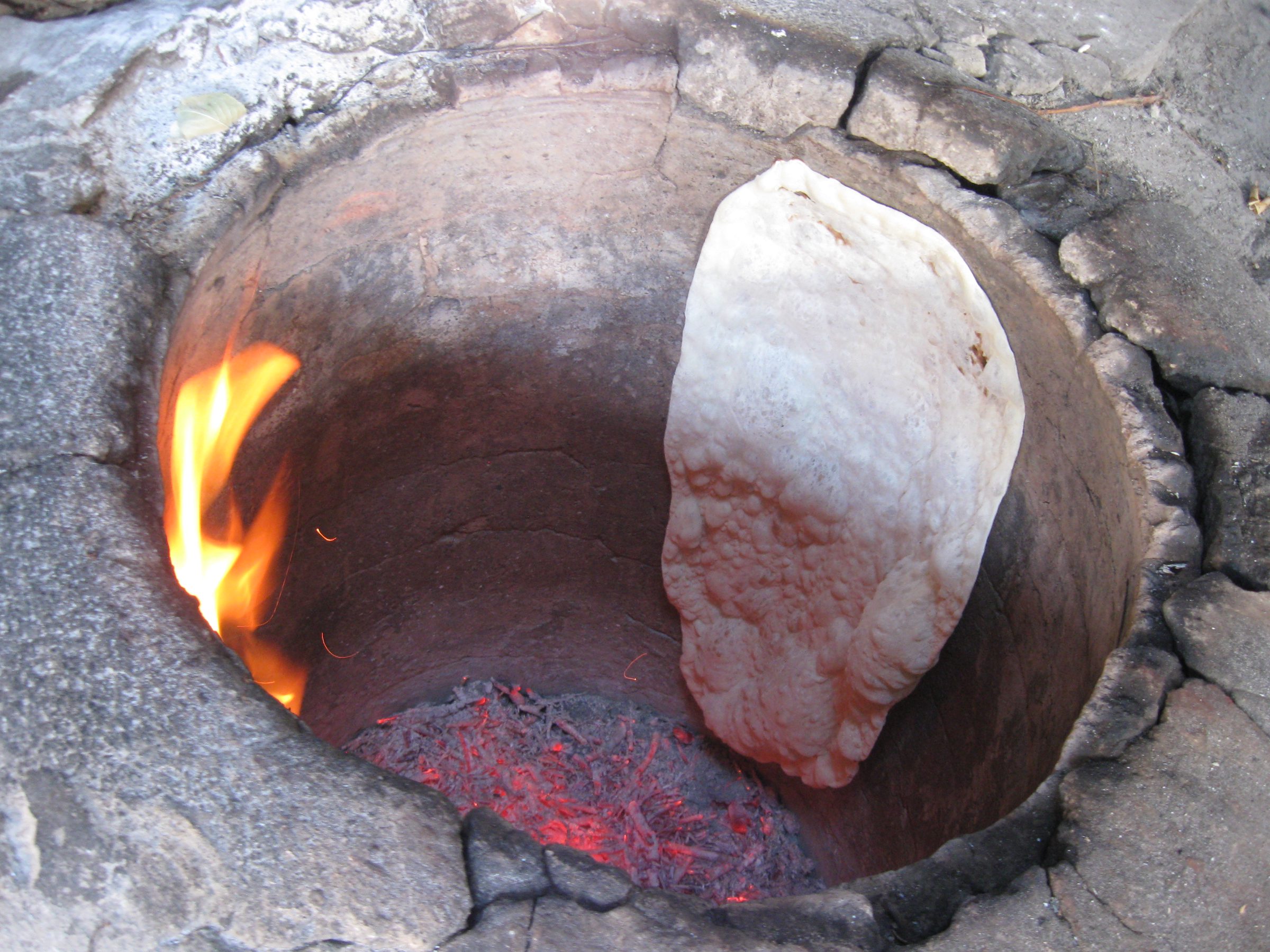
- Lavash baking masterclass20 min
Sevanavank is an active monastery on a peninsula off the northwestern shore of Lake Sevan. Two small 9th-century churches of dark basalt stand on the hilltop, their drums topped with conical roofs; their construction is linked to Princess Mariam of the Bagratuni family. Until the 1950s this was an island: the peninsula appeared when the lake level was artificially lowered. A long staircase leads from the car park up to the churches, and the top offers a wide view of the lake and mountains.
Free entry
- Hotel in YerevanReturn to the same or another address in the city≈ 18:00


Driving between stops takes about 5 h. You can change the order by telling the driver.
What’s included, what’s not
- Included
- Car with a driver for the whole route, hotel to hotel
- Stops as planned and waiting at each one
- Free child seat
- Fuel, parking, water
- Not included
- Entrance tickets: paid on the spot
- Lunch: per the café menu
- Qualified guide: optional, + 40,000 AMD
- Tips at your discretion
One surcharge: an unplanned stop or a change of route.
 5.0
 5.0